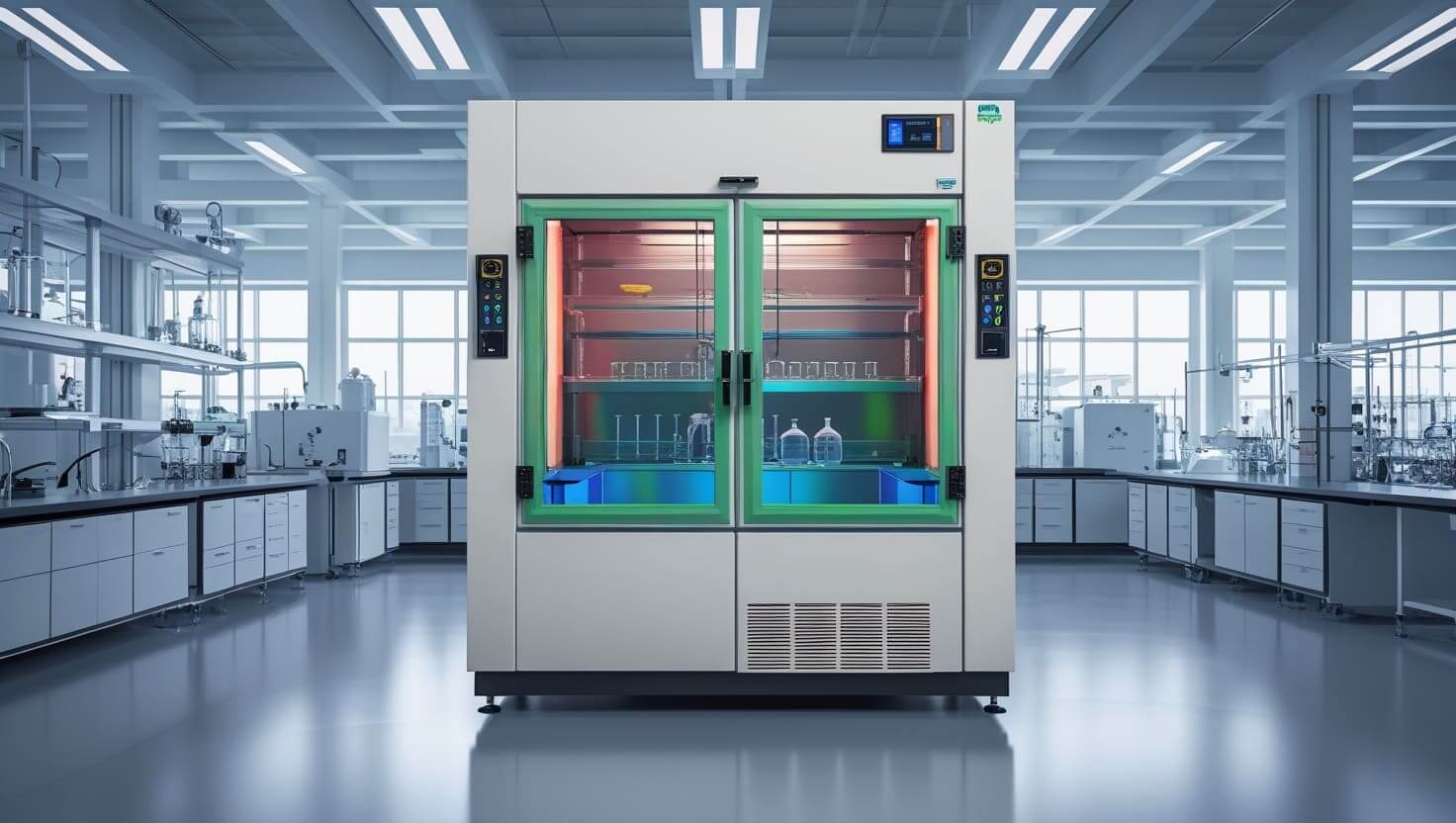

A Biosafety Cabinet (BSC) is one of the most essential components in any microbiology or life-science laboratory. These cabinets protect the user, the environment, and the samples from contamination, ensuring that research and testing activities remain safe and reliable. Whether used in educational labs, industrial research, diagnostic facilities, or pharmaceutical environments, proper safety protocols are critical. Laboratory personnel must be trained to handle a BSC correctly to maintain sterility and avoid exposure to harmful biological agents.
This article provides a clear and easy-to-understand guide on safety procedures, best practices, and key precautions every lab must follow when working with a biosafety cabinet. It is written in simple language to support students, technicians, and professionals in adopting safe laboratory habits.
1- Understanding the Role of a Biosafety Cabinet
A Biosafety Cabinet is specifically designed to filter and control airflow to create a sterile working environment. The cabinet uses HEPA or ULPA filters to trap microorganisms, preventing them from escaping into the laboratory and protecting both personnel and samples.
Biosafety cabinets are mainly used when handling pathogenic microorganisms, tissue cultures, biological samples, or infectious materials. Their structured airflow and enclosed working space significantly reduce risks such as contamination, exposure, and accidental infection.
Laboratories looking to purchase or set up a BSC can visit reliable manufacturers such as chameza.in, labturnkey.in, and labcreator.in for up-to-date models and professional guidance.
2- Following Standard Biosafety Guidelines
Working inside a BSC requires strict adherence to established safety rules. These rules are essential for maintaining the sterile environment created by the cabinet and ensuring the safety of both the user and the entire facility.
One important reference point for all labs is the correct application of Biosafety cabinet guidelines, which help define airflow direction, placement in the lab, filter maintenance, and proper operation. These guidelines must always be followed to ensure maximum protection and performance.
3- Before Using the Biosafety Cabinet

Proper preparation ensures that the cabinet operates effectively:
- Personal Protective Equipment (PPE)
Always wear lab coats, gloves, masks, and eye protection. PPE prevents direct exposure to biological agents.
- Checking Airflow Performance
Before beginning any experiment, confirm that the BSC airflow alarm is functional and that the curtain of air at the front grille is unobstructed.
- Surface Disinfection
Wipe down the inner surface using 70% alcohol or another approved disinfectant. This eliminates residues from previous work.
- Organizing Materials
Arrange all equipment and materials inside the cabinet before starting work. Overcrowding reduces airflow efficiency and increases contamination risk.
4- Best Practices During Cabinet Operation
Working safely inside a biosafety cabinet involves maintaining proper posture, movement, and workflow.
- Minimize Air Disruptions
Sudden or quick movements disrupt airflow patterns. Always move your hands slowly to maintain laminar flow inside the cabinet.
- Perform Work at Least 4 Inches Inside
This prevents outside air from entering the sterile zone. Avoid blocking the front or rear grilles.
- Keep Clean-to-Dirty Workflow
Arrange materials so that clean items remain on one side and contaminated materials on the other. This prevents cross-contamination.
- Avoid Open Flames
Open flames create turbulence and can damage HEPA filters. Instead, use electric loop sterilizers or disposable sterile tools.
- Limit Traffic Around the BSC
People walking or opening doors near the cabinet can cause air disturbances, affecting its safe operation.
5- Application in Microbiology Laboratories
Biosafety cabinets play a major role in preventing contamination and ensuring accuracy during microbiological research. In this context, the Use of Biosafety cabinet in microbiology must be well understood by students, researchers, and technicians. It involves handling cultures, preparing media, transferring microorganisms, and analyzing samples in a way that maintains sterile conditions. Following this practice ensures more reliable results and minimizes accidental exposure to pathogens.
6- Applications in General Laboratory Settings

BSCs are not limited to microbiology labs. They are widely used in pharmaceutical labs, biotechnology labs, testing laboratories, and research institutions. The Biosafety cabinet uses in laboratory include sample preparation, working with infectious materials, viral cultures, recombinant DNA technology, and tissue culture procedures. These cabinets create a controlled environment that significantly reduces contamination risk while supporting safe and accurate research work.
7- Post-Operation Safety Protocols
After completing work inside the BSC, it is important to follow a proper shutdown procedure:
- Remove Waste Properly
Dispose of biohazard waste in designated containers using sterile and leak-proof bags.
- Decontaminate the Surface
Clean the work surface, walls, and interior glass with alcohol or other recommended disinfectants.
- Allow the Cabinet to Run
Keep the cabinet running for at least 5–15 minutes after finishing work to clear airborne contaminants.
- Remove PPE Safely
Always remove gloves last to prevent contamination spread, and wash hands thoroughly.
8- Maintenance and Regular Inspection

Routine maintenance extends the life of the cabinet and ensures safe performance.
- Schedule annual filter integrity testing and airflow checks.
- Replace filters only through certified technicians.
- Calibrate the airflow system regularly.
- Repair or replace any damaged components immediately.
Manufacturers such as chameza.in, labturnkey.in, and labcreator.in offer maintenance guidance and expert support for biosafety cabinets.
Conclusion
Safety protocols for using a biosafety cabinet are essential to ensure contamination-free research and protect laboratory personnel from harmful biological agents. By understanding correct operating practices, following standard guidelines, and performing routine maintenance, laboratories can maintain high levels of safety and accuracy in their work.
Whether in microbiology labs, research institutions, or pharmaceutical environments, biosafety cabinets remain a fundamental tool for safe scientific operations. Adhering to proper procedures ensures that experiments are reliable, personnel are protected, and the laboratory meets professional biosafety standards.
If you need high-quality biosafety cabinets or expert assistance, websites like chameza.in, labturnkey.in, and labcreator.in provide trusted solutions for laboratory setup and equipment needs.